
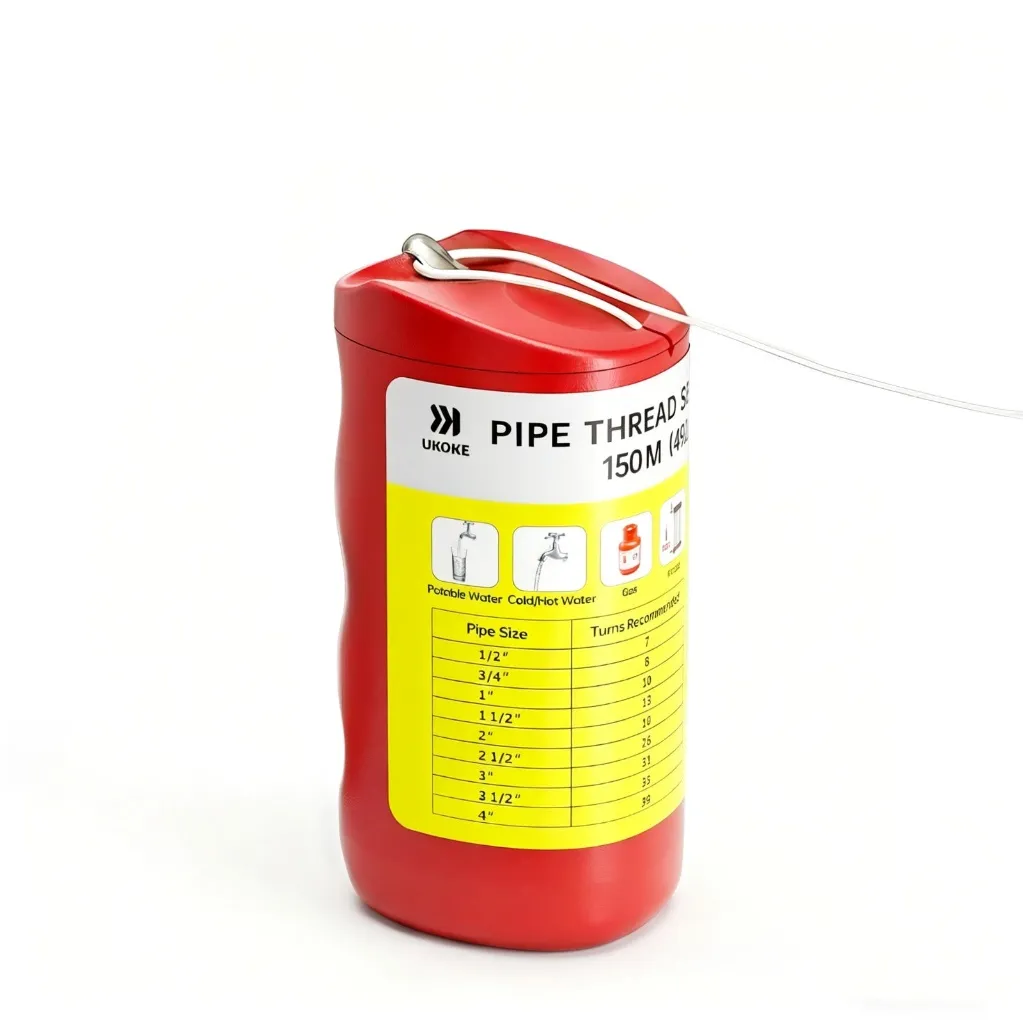
A small plumbing leak may seem harmless, especially when only a few drops of water appear beneath a sink or around a pipe connection. However, persistent dripping can gradually damage cabinets, flooring, and nearby household materials. Many leaks develop around threaded fittings where pipes and fixtures connect. Choosing suitable sealing materials, including PTFE thread seal cord for plumbing fittings, can help create reliable seals in compatible connections. Understanding why leaks occur and how different fittings work is essential before attempting household plumbing repairs.
Why Threaded Connections Sometimes Leak
Threaded plumbing fittings connect pipes, valves, and fixtures in many household water systems. Although these connections are designed to remain secure, incorrect installation, damaged threads, or unsuitable components can allow water to escape.
Leaks may also appear when fittings deteriorate over time. Temperature changes, vibration, and previous maintenance can affect some connections. Identifying the actual source of moisture is important because water may travel along a pipe before becoming visible.
Understanding Different Plumbing Connections
Not every threaded connection requires additional sealing material. Some fittings rely on tapered threads, while others use washers, gaskets, or O-rings to prevent leakage.
Applying sealant to the wrong connection may interfere with its intended design. Homeowners should identify the fitting type and review the manufacturer’s instructions before selecting a sealing method.
How Thread Sealing Materials Work
Thread sealing materials help fill small gaps between compatible mating threads. Products made from polytetrafluoroethylene, commonly known as PTFE, are used in certain plumbing applications because of their properties and suitability for specific services.
Thread seal cord and traditional PTFE tape have different application methods. Neither option should be considered universally suitable. Product approvals, connection materials, water pressure, and installation requirements must guide the selection.
Prepare the Connection Before Making Repairs
Preparation plays an important role in preventing recurring leaks. Before inspecting an appropriate domestic water connection, the relevant water supply should be turned off and pressure released according to safe procedures.
Check the fitting for cracks, corrosion, damaged threads, or signs of incorrect alignment. Applying additional sealing material cannot reliably repair a physically damaged component. A defective fitting may need replacement rather than another sealing attempt.
Follow the Correct Application Instructions
Using too much or too little sealing material may compromise the connection. Application methods vary between products, so the manufacturer’s directions should determine how the material is positioned and how the fitting is assembled.
Several precautions are worth considering:
-
Confirm that the sealant is approved for the intended application.
-
Inspect threads before applying any material.
-
Avoid mixing incompatible fittings or sealing products.
-
Follow the specified application and tightening instructions.
-
Check repaired water connections for leakage after reassembly.
Gas lines, high-pressure installations, and other safety-critical systems should be handled by appropriately qualified professionals.
Why Overtightening Can Cause Problems
A common mistake during plumbing repairs is assuming that tighter connections always create better seals. Excessive force can damage threads, deform fittings, or crack certain components.
Different materials have different mechanical limitations. Plastic fittings, for example, may be particularly vulnerable to damage when excessive force is applied.
Following specified installation procedures is more reliable than tightening a connection until it feels impossible to move.
Research Materials Before Purchasing
Household repair products vary in compatibility, operating limits, and intended applications. Comparing these details beforehand can help avoid unsuitable purchases and repeated maintenance.
Consumers exploring plumbing accessories can review product-related information through the UKOKE Reddit profile. However, manufacturer documentation and applicable plumbing requirements should remain the primary references when selecting sealing materials.
Know When Professional Assistance Is Necessary
Some leaks are straightforward to identify, while others originate inside walls, beneath flooring, or around inaccessible connections. Repeated dripping after a repair may indicate damaged components or a problem elsewhere in the plumbing system.
Professional assistance is advisable when the source remains uncertain, significant water damage is present, or the repair involves unfamiliar equipment. Correct diagnosis can prevent unnecessary replacement work and additional damage.
Conclusion
Preventing plumbing leaks requires suitable materials, careful inspection, and an understanding of how different connections create reliable seals. Thread sealing products can be useful for compatible applications, but they cannot compensate for damaged fittings or incorrect installation. Homeowners should prioritize manufacturer guidance, appropriate repair procedures, and professional help when necessary. Those interested in researching household sealing accessories and practical maintenance products can explore the available selection through UKOKE while checking individual product specifications and application requirements before beginning any repair work.