
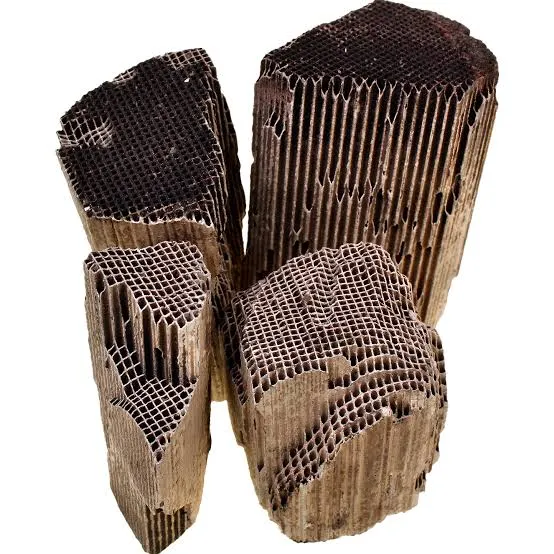
A search for a catalytic converter smelter can be confusing because sellers may use the term broadly for businesses involved in processing and metal recovery. A smelter generally refers to an industrial operation where material undergoes high-temperature processing, but catalytic converter recycling can involve several stages before and after that point. Not every local buyer operates a smelter. Some purchase converters, sort them, and send them to specialized processors or refiners. Knowing these distinctions helps sellers ask more useful questions before accepting an offer.
Separate Local Buyers From Processors
When asking who buys catalytic converters near me, first determine whether you are looking for a local collector, a scrap buyer, a processor, or a refinery. These businesses may occupy different positions in the recycling chain. A local buyer can offer convenience while sending collected converters elsewhere for processing. A processor may handle preparation and recovery, while a refinery focuses on metal separation and settlement. The right choice depends on your priorities, including location, payment speed, quotation method, and how much information you want about the recycling process.
Ask Where The Material Goes
A useful question for any buyer is what happens after the converter is purchased. Ask whether the material stays at the same facility, moves to another processor, or is sent to a refinery. This can explain why a local business is able to buy converters without operating heavy industrial equipment itself. It also helps you understand how many stages are involved before final metal recovery. Sellers do not need to avoid every intermediary; they simply need to know the role each business plays.
Check How Value Is Set
A buyer may use converter identification, expected metal content, weight, market prices, testing, or a combination of these factors. Ask which information determines the quoted price and whether the amount is fixed or provisional. If the converter will be processed elsewhere, ask whether the initial quote can change after that processing. Understanding the pricing method is more useful than simply asking whether a business is a smelter. The label matters less than knowing how the seller’s material is actually evaluated and paid for.
Review Local Transaction Rules
Local requirements for purchasing recyclable automotive material can vary, so sellers should ask the buyer what documentation is needed before arriving or shipping a converter. Depending on the transaction, the business may request identification, ownership information, receipts, or other records. Do not assume that another seller’s experience applies to your situation. Confirm requirements directly with the buyer. Preparing the correct documents in advance can save time and prevent a transaction from being delayed because a required record was missing.
Compare Nearby Options
A nearby buyer can be attractive because transportation is simpler, but location should not replace comparison. Contact several businesses and provide the same converter information to each. Compare the quoted amount, evaluation method, payment timing, documentation requirements, and any possible deductions. If two offers are close, convenience may reasonably decide the transaction. If one offer is substantially different, ask why. A clear explanation can help you determine whether the difference comes from processing arrangements, market timing, or other legitimate factors.
Keep The Sale Documented
After selling, keep a record of the converter number, photographs, quoted amount, receipt, payment confirmation, and any information provided about processing. If the buyer identifies a downstream processor or refinery, record that as well. These details can be useful when comparing future transactions. Documentation also gives you something concrete to refer to if the final payment differs from the original quotation. Even a small local sale benefits from a simple written record because memory can become unreliable when several transactions occur.
Conclusion
Finding a nearby catalytic converter buyer starts with understanding what kind of business you are actually dealing with. A smelter, processor, refinery, and local collector can perform different roles, so ask where the material goes and how its value is calculated. Compare local offers on complete terms rather than location alone. Sellers wanting more background on recycling and refining can also review gndrefiners.com while researching buyers and deciding which transaction structure makes the most sense.