
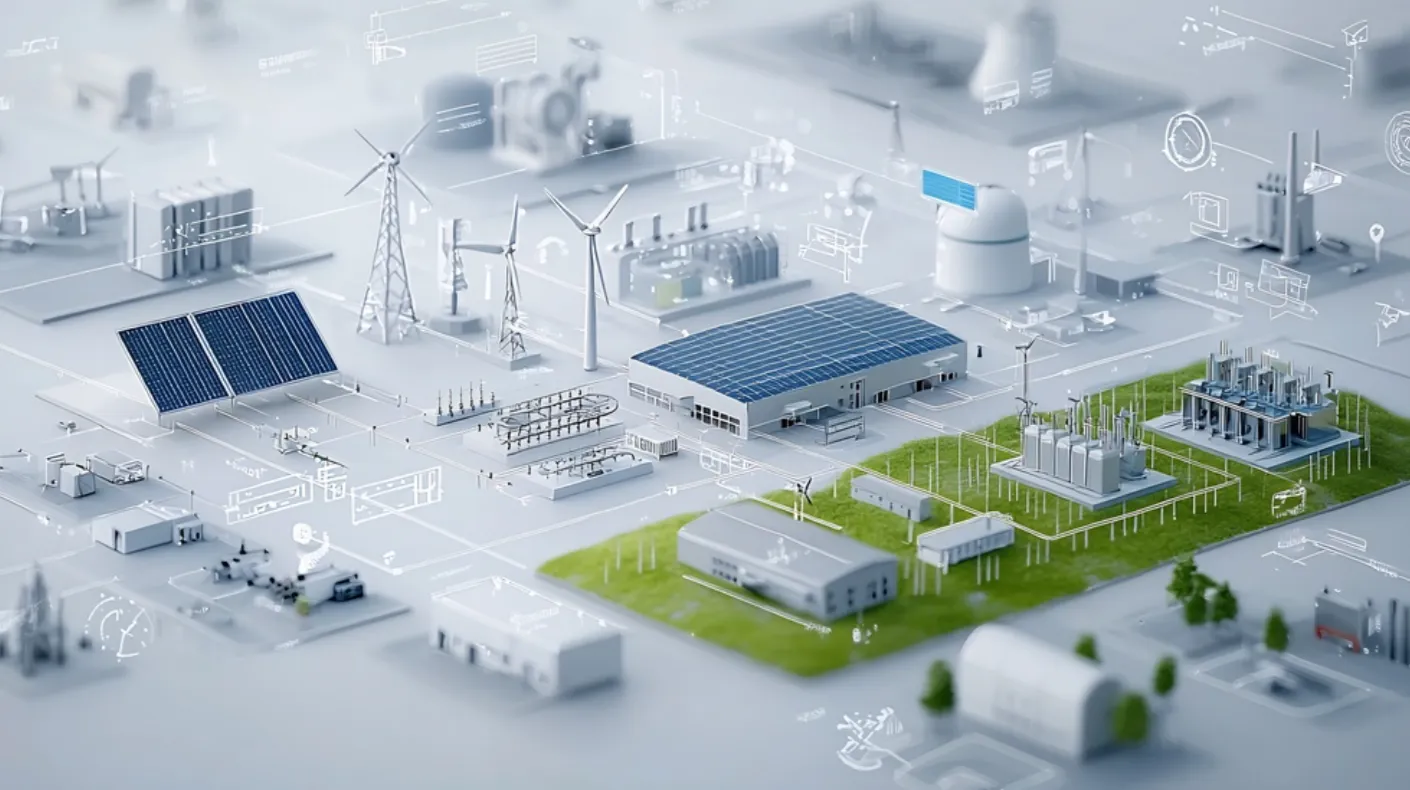
Most people experience power outages just once a year or so. Behind that reliable hum sits an enormous machine nobody ever stops to picture. Things are shifting pretty fast, though. The way we’ve been making and sending out electricity for the past hundred years was made for a world that doesn’t exist now, and you can see the problems starting to pop up. So where’s all this headed?
When Trouble Hits, It Keeps Going
Everything starts with flexibility. Storms show up uninvited. Demand shoots up on some brutal August afternoon when every air conditioner in town kicks on at once. Gear breaks for no reason at all. A grid worth its salt expects every one of those headaches. So rather than flowing through one wide street, electricity takes a bunch of twisty side roads. If a line goes down, the power just reroutes itself. The detour takes care of stuff, and no one even sees it. It even has a self-repair feature. Sensors pick up a glitch and cut off the broken bit. The rest of the system just keeps running smoothly.
No Single Fuel Carries the Load
Tomorrow’s grid won’t stake its entire future on one source of energy. Sun, wind, moving water – you name it. Wind dies down around midnight? Fine, something else grabs the baton. Spreading the bet keeps prices from swinging wild and keeps the supply honest. Sunlight and wind punch the clock whenever they feel like it. They don’t take requests. That means the system has to be sharp about timing, matching what’s on hand against what folks are actually using, second by second. Nail it, and the guy flipping a light switch has no clue any of it is going on.
Batteries Do the Heavy Lifting
Clean energy without storage? Doesn’t work. Picture a sunny noon where the panels soak up way more than a town can burn through. That leftover power has to land somewhere. Giant batteries scoop it up and sit on it. When sundown comes and everyone heads home to cook, the batteries give it right back. Storage converts a jittery, erratic supply into a stable one. As technology gets cheaper and more powerful in a smaller package, the pace of progress just keeps increasing.
Data Runs the Show
The old systems guessed, mostly. These new ones really understand. A future-ready grid is equipped with sensors and software that monitor every movement instantly. Demand creeping up over on Fifth Street? A transformer about to give out? Operators anticipate it rather than rushing to respond afterward.
That flood of information cuts two ways. It enables teams to respond quickly in real time and allows planners to position the appropriate equipment correctly years ahead. Money saved. Headaches dodged.
Skilled Hands Make It Real
All this equipment is only as valuable as the engineering that brings it together. Integrating Commonwealth’s clean energy, energy storage, and power generation solutions requires careful coordination, technical expertise, and extensive experience. This is where Commonwealth makes a difference, combining thoughtful planning with intelligent engineering to deliver reliable, resilient systems designed to serve communities for decades to come. Ultimately, engineering is the unsung hero that makes it all possible.
Conclusion
Imagine a system that flexes during a storm. One that utilizes multiple fuels, stores energy for future use, and analyzes data to remain ahead of the curve. Dependable. Flexible. Smart. That kind of combination doesn’t just appear out of nowhere. Someone needs to design it, imagine it. Someone needs to construct it. The reward makes all the effort worthwhile. Steadier bills, cleaner air, lights that hold when you need them. It’s nearer than you think.