
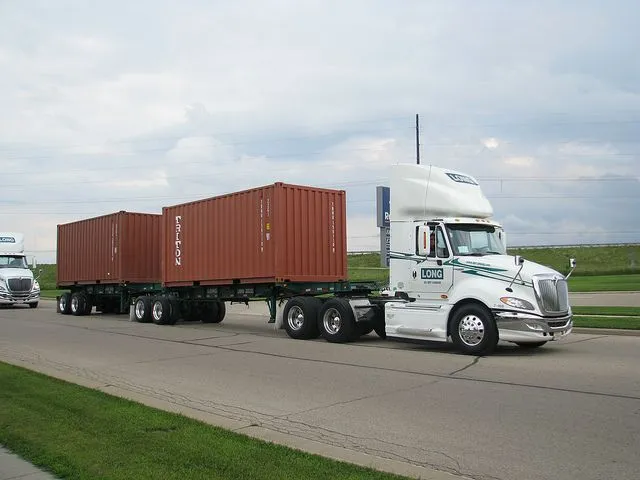
There are multiple modes of transportation needed in order to move intermodal freight from its point of origin to its final destination. Ports, rail, warehouses, distribution centers, and other commercial facilities can be used to transport containers before they reach customers and other commercial sites. Drayage is an essential link in many supply chains, connecting these to trucks. Savannah businesses can benefit from understanding intermodal drayage, as it can help them to better plan and coordinate the movement of containers.
What Is Intermodal Drayage?
Intermodal drayage Savannah: short-distance transport of containers between various locations in the intermodal freight system
A container could be delivered at a transport center by one mode and then be loaded onto a truck to be delivered to another location. The truck movement may be to a warehouse, distribution center, manufacturing facility or another destination.
The trucking distance might not be too long, but it’s still an essential component of this journey, as it links different elements of the transport.
How Drayage Supports Freight
Drayage Savannah can link terminals with inland facilities for loading, unloading, storage, processing and transferring cargo.
There are, for instance, cases where the container needs to be transported from a terminal to a warehouse before products are shipped to customers. An empty container may need to be returned after unloading for another shipment.
The type of movement can depend on the supply chain of the company, the number of shipments, the location of the facilities and the transportation calendar.
Why Businesses Use Intermodal Transportation
Intermodal transportation is the use of multiple modes of transportation to transport freight. There can be one or more specific uses for each mode in the overall route.
For a longer distance, a business might choose one method and then truck the goods to its business for the last mile.
It will be helpful for companies that have shipments going through several areas to move them. Drayage is needed to help complete these movements.
Preparing Container Information
Correct information should be created prior to transport. Knowing the container number, pickup area, delivery address, cargo contents, and expected transportation time are all important factors for businesses to know.
Information about weight should also be correct. The more information you can give the transportation company, the better they will be able to comprehend what they are moving and what they will be moving.
Any special handling requirements of the container should be communicated prior to pick-up. Good communication can help to coordinate well.
Managing Facility Requirements
Each terminal, warehouse and distribution center may have its own operating protocols. Certain areas may need to be appointment-only, have specific documentation to be provided, specific access points, or even specific pick-up or delivery times.
These requirements should be verified prior to bookings for transport by businesses. Being accurate in the facility instructions will assist in moving the facility more effectively.
Businesses can keep up-to-date details of regularly used locations for repeat shipments. This can provide a time-saving when similar container movements are scheduled again in the future.
Choosing Drayage Support
Geographical coverage, equipment availability, communication, scheduling and experience in handling similar container movements should all be taken into account by businesses when assessing transportation providers.
Experience in relevant transport or shipping may be particularly beneficial in multi-facility shipments or in repeat transport or shipping.
Companies should discuss with service providers how their freight normally operates. This will provide the transportation company with a better idea of the amount of movement, destination, and coordination needed.
Coordinating the Complete Shipment
When planning a drayage, it should be considered as part of the overall freight operations. Businesses need to be familiar with what occurs prior to the container being picked up and what is required after being delivered to a destination.
If the container is being delivered to a warehouse, the receiving team should be ready for the arrival of the container. These instructions should also be understood if the equipment has to be returned after it is empty.
Looking at every stage of the process simultaneously can assist businesses in developing a more structured transportation process.
Managing Recurring Movements
Regular container businesses can be helped by having consistent procedures. Receiving standard shipment information, instructions for the facility and contact and scheduling details make repeat shipments easier to manage.
The transportation requirements should be assessed as the business changes in other ways as well. New facilities, fluctuating volumes of shipments and new destinations may impact the kind of drayage services needed.
Flexible transport operations make it easier for businesses to adapt to change in the supply chain.
Conclusion
The intermodal drayage is a vital link between modes in Savannah. By having all the necessary information about the shipment, knowing what to expect at the facility, coordinating schedules and choosing the right transportation company to handle your needs, your business can move containers more effectively. Looking at short hauls within the full move helps ports communicate better with inland sites. If a firm needs mixed load setups, they can check ykfreight.com to see what plans fit their cargo goals.