
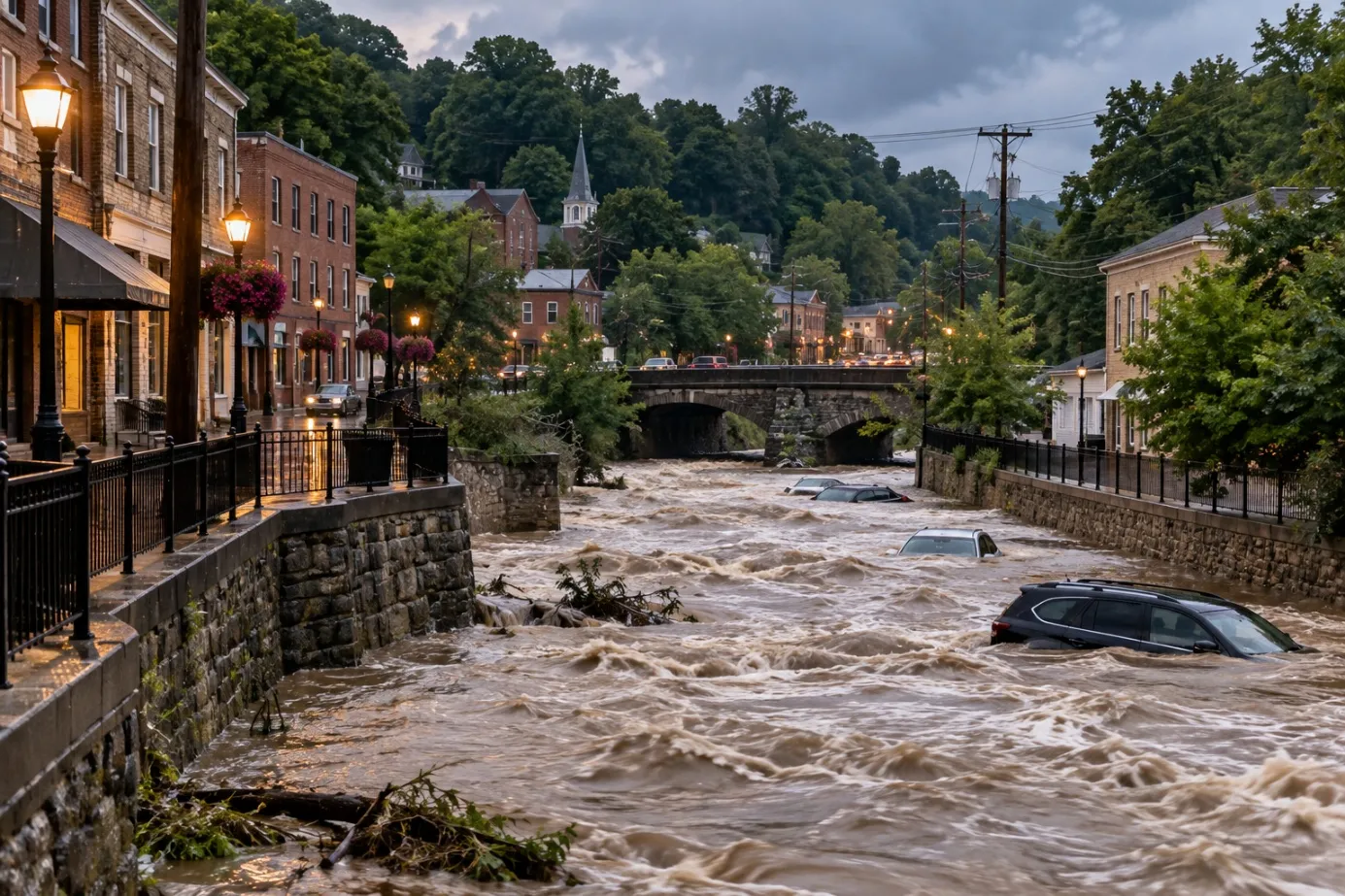
Anyone who has watched water race down a steep street knows how fast things change. The land around the Patapsco Valley funnels rain into narrow channels, and a calm afternoon can turn dangerous in an hour. Residents researching water damage restoration Ellicott City MD, have often been through it once already. Here’s how to be ready.
Why the Terrain Matters
Steep slopes shed water quickly. Rain that would soak into flat ground instead rushes downhill, gathering speed and debris. Pavement makes it worse by blocking absorption. The result is flash flooding, where a creek rises in minutes rather than hours. Ellicott City has dealt with severe floods in 2016 and 2018. Even a modest storm can overwhelm small drainage channels.
Homes at the bottom of a slope or near a stream face the highest risk, but even houses on higher ground can see runoff pooling against walls. Look at how water travels across your lot during a hard rain. Notice where it gathers, and where it escapes. That’s your map. Take photos so you can compare year to year.
Catonsville: Quiet Streets, Real Runoff
Catonsville feels calmer, with tree-lined blocks and established homes. Even so, water damage restoration Catonsville MD residents need often comes from storm runoff that finds basement windows, cracked foundations and window wells. Mature trees drop leaves that clog gutters, and a clogged downspout acts like a faucet pointed at your foundation. Gutters should be checked every autumn.
Window wells deserve special attention. Cover them with clear caps and make sure the drains at the bottom are clear. Check basement walls for hairline cracks after storms. If you see staining, white mineral deposits or damp corners, it’s time to improve grading or have someone look at it. A twenty-dollar cap beats a flooded basement.
Preparing Before the Forecast Turns
Sign up for local weather alerts, and learn what a flash flood watch means versus a warning. A watch says conditions are right. A warning says it’s happening. When a warning arrives, you don’t have time to move boxes. Those decisions need to be made earlier, on a quiet day. Phones can send alerts automatically.
Move valuables upstairs, raise electronics off the floor and keep sandbags or flood barriers where you can reach them. Store important documents in a waterproof container. Know your evacuation route, and keep your car fueled. Preparation feels like overkill until the night it isn’t. Rehearse the route with your family once.
What to Do During a Flood
Safety comes first. Don’t drive through flooded roads, because even shallow water can sweep a vehicle away. Stay out of basements that are filling, since electrical hazards and strong currents are real threats. Get to higher ground and wait for conditions to improve. Belongings can be replaced. You can’t.
Once it’s safe, take photos and videos before cleaning. Avoid touching standing water with bare skin because floodwater carries bacteria and chemicals. Turn off power at the main breaker if you can reach it safely. Then call your insurer and a restoration crew, and write down everything you do.
Recovering After the Water Drops
The first 48 hours matter most. Remove wet items, open windows if the air is dry, and start drying. Mud and silt should be cleaned out quickly, since they hold moisture and contaminants. Discard food, medicine or cosmetics that touched floodwater, even if they look fine. Fans alone won’t be enough for soaked materials.
Professional crews bring pumps, dehumidifiers and cleaning agents that suit flood conditions. They also check for hidden moisture in walls and under floors. Recovery can take a while, but steady progress is the goal. Lean on neighbors, too, because communities in this region have learned to help one another through it. Hire help sooner rather than later.
Conclusion: Respect the Hills, Prepare for Rain
Living among hills and streams means accepting that rain sometimes wins. Know your terrain, prepare your home, and learn the warning signs. Preparedness won’t stop every flood, but it can shrink the damage and speed up the recovery. That’s a fair trade for a small amount of effort. Talk through the plan with your neighbors.
If water gets in anyway, reach out at movefastrestoration.com and start the recovery without delay. Fast drying and honest guidance make the hardest days easier to get through. Keep the address saved in your phone, because flash floods rarely give you time to look it up. Pass it along to a neighbor.